 By
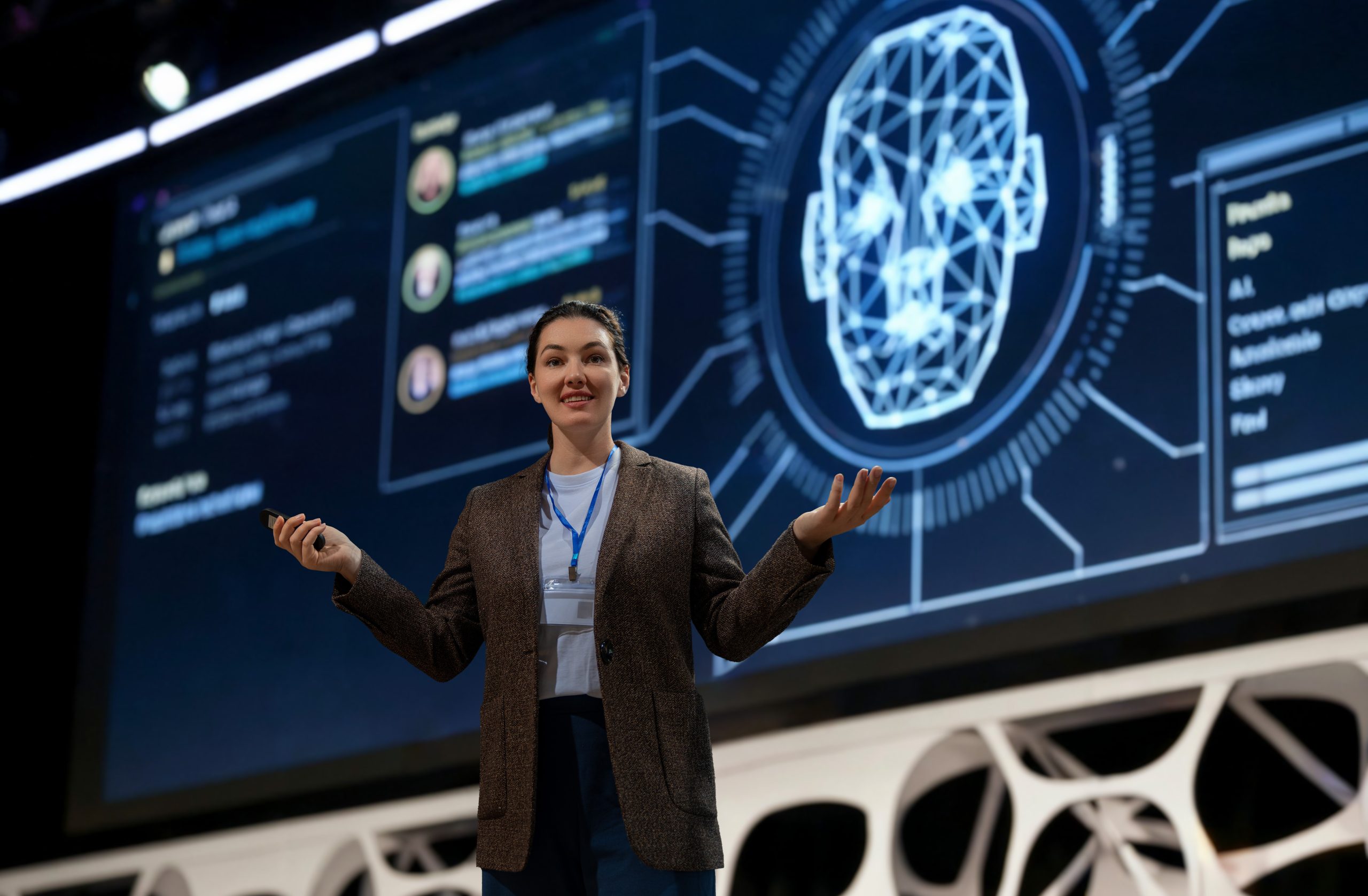
By The AI Expo is one of the most anticipated events in the world of artificial intelligence, gathering industry leaders, tech enthusiasts, and innovators under one roof to showcase the latest breakthroughs in AI technology. Each year, this event offers a glimpse into the future of AI, from cutting-edge research to real-world applications that are transforming industries across the globe.
At this year’s AI Expo, several key moments stood out, offering insights into the future of AI, its potential impact, and how it’s reshaping various sectors. In this blog post, we’ll take a look at the most noteworthy moments from the event and what they mean for the future of AI.
1. AI-Powered Healthcare Innovations:
One of the most exciting and impactful discussions at the AI Expo was about the role of AI in revolutionizing healthcare. With AI technologies making strides in diagnostics, patient care, and personalized medicine, experts at the expo revealed groundbreaking advancements that promise to reshape healthcare delivery.
Key Moment: AI and Predictive Healthcare:
Predictive Analytics for Early Diagnosis: Researchers showcased AI models capable of detecting early signs of diseases like cancer and Alzheimer’s through pattern recognition in medical imaging and genetic data. These AI systems are not only improving accuracy but are also helping doctors identify conditions before they manifest symptoms.
Personalized Treatment Plans: AI’s ability to analyze vast amounts of patient data allows for the creation of personalized treatment plans. Attendees saw live demonstrations of AI tools that analyze genetic markers, lifestyle data, and previous medical histories to craft highly tailored approaches to treatment.
Implication: AI’s increasing role in healthcare will reduce human error, speed up diagnoses, and ultimately save lives. By focusing on preventative care and precision medicine, AI promises to make healthcare more accessible, affordable, and effective.
2. AI in Autonomous Vehicles: From Concept to Reality:
The autonomous vehicle industry has been one of the most talked-about applications of AI, and this year’s AI Expo showcased several breakthroughs in this field. While fully autonomous vehicles are still a work in progress, significant progress was made in the integration of AI for safer and more efficient driving.
Key Moment: AI for Real-Time Navigation and Safety:
AI-Powered Traffic Management: AI’s role in real-time traffic management was highlighted, with systems being developed to adjust traffic lights and road conditions based on real-time data. Autonomous vehicles equipped with this technology can better navigate city environments by avoiding congested areas and optimizing routes.
Enhanced Vehicle-to-Vehicle Communication: Another key moment was the introduction of AI systems that enable vehicles to communicate with one another. This technology allows vehicles to share information on road conditions, traffic patterns, and even emergency situations, creating a safer and more coordinated driving experience.
Implication: With continued innovation, autonomous vehicles will eventually reduce traffic accidents, improve fuel efficiency, and create more sustainable transportation systems. This has the potential to reshape cities and urban mobility in the coming decades.
3. AI in Cybersecurity: A Rising Defense Against Cyber Threats:
As the number of cyberattacks grows, AI is being increasingly leveraged to enhance cybersecurity. During the AI Expo, several companies demonstrated how AI is being used to predict, detect, and mitigate cyber threats in real-time.
Key Moment: AI and Threat Detection:
AI for Predictive Threat Analysis: A significant moment at the expo was the demonstration of AI systems that use predictive analytics to detect potential security breaches before they occur. These systems analyze vast amounts of data, identify abnormal patterns, and provide security teams with alerts before attacks can materialize.
Autonomous Security Systems: Another important discussion focused on autonomous security systems, where AI continuously monitors networks and responds to security breaches without human intervention. This level of automation not only increases efficiency but also ensures a quicker response to evolving threats.
Implication: AI’s role in cybersecurity will make systems smarter and more responsive, providing organizations with the tools needed to combat increasingly sophisticated cyberattacks. As cyber threats continue to evolve, AI will be key to creating robust, adaptive security infrastructures.
4. The Rise of AI Ethics: A Call for Responsible Innovation:
AI is not only a technological revolution but also a philosophical one. As AI becomes more ingrained in society, ethical considerations have become an important part of the conversation. The expo saw discussions about the ethical implications of AI, including bias, privacy concerns, and the need for regulation.
Key Moment: The Importance of Ethical AI:
Addressing Bias in AI: One of the standout moments was a panel discussion on the importance of eliminating bias in AI models. Experts highlighted how biased training data can lead to discriminatory outcomes in AI-driven systems, particularly in areas like hiring, law enforcement, and healthcare.
AI Transparency and Accountability: Another key moment involved a conversation about the need for AI systems to be transparent and accountable. Attendees heard about initiatives to develop frameworks for auditing AI models, ensuring that decisions made by AI can be understood and explained by humans.
Implication: As AI continues to evolve, there will be increased pressure on governments and businesses to implement responsible AI practices. Ethical considerations will shape the future of AI development, ensuring that these technologies benefit society in an equitable and fair manner.
5. AI and Human Augmentation: Enhancing Human Capabilities:
AI’s potential to augment human capabilities was another major highlight at the event. With AI systems becoming more capable of working alongside humans, the concept of human augmentation—using AI to enhance cognitive and physical abilities—has entered mainstream discussions.
Key Moment: AI for Mental and Physical Enhancement:
Neuro-Enhancement Tools: Researchers presented AI-powered neuro-enhancement tools designed to help individuals improve cognitive function, focus, and memory. These tools are particularly beneficial for individuals with neurological conditions or cognitive impairments.
Robotic Prosthetics and Exoskeletons: In the field of physical augmentation, AI-powered prosthetics and exoskeletons were showcased that not only restore lost function but also enhance human abilities, allowing for improved mobility, strength, and dexterity.
Implication: AI-driven human augmentation will redefine what’s possible for individuals with disabilities and those looking to push the limits of human potential. It will also likely bring about significant shifts in the medical and rehabilitation fields.
Conclusion:
The AI Expo 2023 was a window into the future of artificial intelligence, showcasing technologies that promise to reshape industries, improve lives, and bring about new challenges. From healthcare and autonomous vehicles to cybersecurity and AI ethics, the expo offered a glimpse of a world where AI is not just a tool but a transformative force driving innovation. As AI continues to advance, it will undoubtedly become an even more integral part of our daily lives, shaping the way we work, live, and interact with the world.