
 By
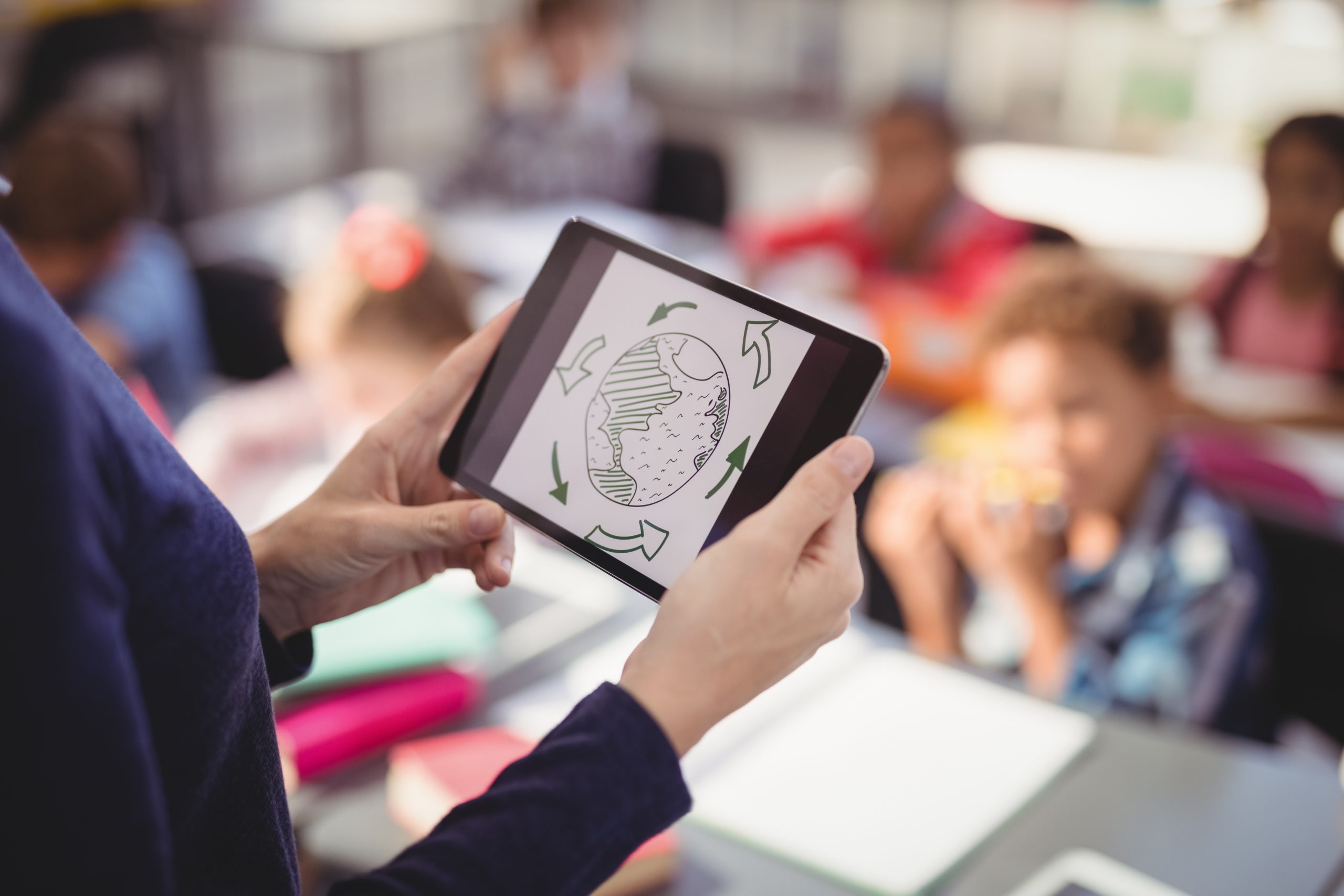
By Education is undergoing a profound transformation, driven by advances in technology. In 2025, the way we learn, teach, and interact with educational content will look radically different from the traditional classroom model. Technology is reshaping every aspect of education, from the tools used for teaching to the way students engage with content. This post explores how technology is transforming education in 2025, highlighting the trends, tools, and innovations that are changing the learning landscape.
1. Personalized Learning Powered by AI:
Artificial Intelligence (AI) is at the forefront of the educational transformation, enabling personalized learning experiences. In 2025, AI-powered platforms will offer individualized learning paths based on each student’s strengths, weaknesses, and learning pace.
How AI is Transforming Learning:
Adaptive Learning Platforms: AI algorithms can assess students’ knowledge, identify gaps, and adjust lesson plans in real-time. Tools like DreamBox and Knewton use AI to personalize lessons, quizzes, and assignments, ensuring that students receive the right content at the right time.
Smart Tutoring Systems: AI-powered tutoring systems provide instant, personalized feedback to students. These platforms help learners grasp difficult concepts through tailored guidance, without waiting for human intervention.
By adapting content to suit individual needs, AI helps ensure that no student is left behind, enabling more effective learning experiences for all.
2. Virtual and Augmented Reality for Immersive Learning:
In 2025, Virtual Reality (VR) and Augmented Reality (AR) will become mainstream tools in education. These immersive technologies allow students to engage with content in dynamic ways, from exploring historical events to performing virtual experiments.
Applications of VR and AR in Education:
Virtual Field Trips: Students can take immersive virtual field trips to places like ancient ruins, outer space, or distant planets. Companies like Google Expeditions offer virtual tours of world landmarks, museums, and natural wonders, providing rich educational experiences without leaving the classroom.
Hands-on Learning: VR and AR enable students to interact with complex subjects like biology, chemistry, and physics in a simulated environment. Medical students, for example, can use VR to practice surgeries, while engineering students can explore complex structures in 3D.
Simulations and Role-Playing: In history or literature classes, AR can bring historical events or fictional worlds to life, allowing students to role-play and experience learning in a more engaging way.
These immersive experiences allow students to experience learning in a way that is interactive, engaging, and memorable.
3. Gamification and Interactive Learning:
Gamification is revolutionizing how students engage with learning materials. By incorporating game mechanics, such as points, levels, and rewards, educators can make learning more interactive and fun. Gamified learning fosters motivation, improves problem-solving skills, and enhances retention.
How Gamification is Impacting Education:
Game-Based Learning Platforms: Tools like Kahoot!, Quizlet, and Duolingo use game-like formats to teach subjects ranging from math to language learning. These platforms make learning more enjoyable, encouraging students to participate actively in their education.
Leaderboards and Rewards: Incorporating leaderboards and achievement systems can increase student motivation and engagement. Students are incentivized to complete tasks, compete in challenges, and gain recognition for their achievements.
Gamification not only boosts student engagement but also improves learning outcomes by making education more enjoyable.
4. Collaborative Learning Through Cloud-Based Platforms:
Cloud computing has made it easier for students and teachers to collaborate in real-time, regardless of location. In 2025, cloud-based platforms will continue to enhance collaboration, enabling students to work together on projects, share resources, and engage in group discussions.
Collaborative Tools for Education:
Google Classroom and Microsoft Teams: These platforms allow teachers to assign tasks, give feedback, and interact with students in a virtual environment. Students can collaborate on assignments, submit work, and communicate with peers and instructors easily.
Collaborative Projects: Students can use cloud-based tools like Google Docs or Trello to work on group projects, share ideas, and track progress. This fosters teamwork and teaches students valuable skills for working in a collaborative, digital environment.
By enabling real-time collaboration, cloud-based platforms are creating a more connected and interactive learning experience for students.
5. Data Analytics for Student Performance Tracking:
With the advent of big data, educational institutions are increasingly using data analytics to track student performance and identify areas for improvement. In 2025, data-driven insights will play a crucial role in shaping teaching strategies and learning outcomes.
How Data Analytics is Shaping Education:
Real-Time Feedback: Teachers can use data analytics to track student progress and provide real-time feedback. Analytics tools can identify students who may be struggling and offer targeted interventions.
Predictive Analytics: Using historical data, predictive analytics can forecast student performance and recommend personalized learning strategies.
Performance Dashboards: Schools and universities will offer dashboards that give students, teachers, and parents an overview of performance metrics, enabling timely interventions to improve outcomes.
Data analytics will allow for more personalized and proactive teaching, ensuring that students get the support they need to succeed.
6. AI-Powered Content Creation and Assessment:
AI is also transforming how educational content is created and assessed. In 2025, AI-powered systems will generate custom content based on students’ learning needs and preferences, while AI-driven assessment tools will offer faster, more accurate evaluations.