
 By
By In an age defined by constant connectivity, economic pressure, and global uncertainty, mental health has taken center stage. The modern world demands modern solutions — blending psychology, technology, and lifestyle science to transform stress into resilience.
1. The Changing Face of Mental Health:
For decades, mental health carried stigma. Today, awareness campaigns, social media advocacy, and digital access have brought mental well-being into everyday conversation. People now view mental health as integral to overall wellness — just as important as physical health.
2. Personalized Mental Health Care:
No two minds are alike. Therapists and researchers are adopting personalized approaches that consider an individual’s genetics, environment, and personality traits. Psychogenomic testing, for instance, helps determine which medications are most effective based on DNA.
Similarly, customized therapy models combine cognitive-behavioral therapy (CBT), mindfulness, and neurofeedback to fit specific emotional needs.
3. The Role of Technology:
Digital health tools are revolutionizing access to care. Mobile apps like Calm and Headspace guide meditation and stress management. AI-powered chatbots such as Wysa provide round-the-clock emotional support.
Teletherapy platforms have eliminated geographical barriers, allowing people to connect with licensed professionals from anywhere. Meanwhile, wearable devices now monitor physiological stress signals, giving users real-time feedback on anxiety levels and heart rate variability.
4. Neuroscience and Brain-Based Therapies:
Modern neuroscience is uncovering how stress reshapes brain circuits. New interventions — like transcranial magnetic stimulation (TMS) and neurofeedback — are helping patients rewire neural pathways linked to depression, anxiety, and PTSD.
These techniques, combined with psychotherapy, provide drug-free alternatives for those seeking holistic recovery.
5. The Mind-Body Connection:
The relationship between physical and mental health is undeniable. Regular exercise, balanced nutrition, and sufficient sleep play powerful roles in emotional stability. Practices such as yoga and tai chi combine physical movement with mindful breathing, reducing cortisol levels and improving overall mood.
Even small lifestyle adjustments — daily walks, journaling, or limiting screen time — can build emotional resilience.
6. Workplace and Community Initiatives:
Employers are recognizing that employee well-being drives productivity. Mental health programs, flexible work arrangements, and wellness breaks are now key retention tools. Schools and universities are following suit, incorporating emotional intelligence and resilience training into curricula.
7. The Future: AI and Mental Wellness:
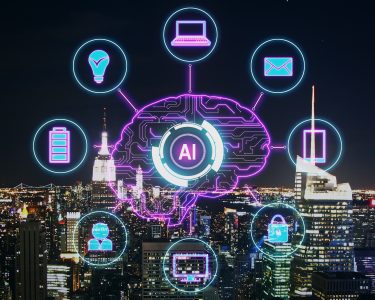
Artificial intelligence is entering the mental health space cautiously but effectively. Machine learning models analyze speech, text, and behavior patterns to detect early signs of depression or burnout. These insights allow professionals to intervene early — sometimes before a crisis occurs.
AI won’t replace therapists, but it will complement them — extending care to millions who might otherwise go untreated.
Conclusion:
The journey from stress to strength reflects humanity’s resilience. With personalized care, neuroscience, and digital innovation, mental health treatment is evolving from reactive crisis management to proactive emotional empowerment.
Modern mental health care is not just about treating illness — it’s about building strength, balance, and purpose in a fast-paced world.