
 By
By In the fast-paced world of real estate, customer experience plays a crucial role in driving sales and fostering long-term client relationships. Traditional property tours, while effective, can be time-consuming and limited by geographical constraints. However, virtual tours and 3D visualization technology are transforming the way customers experience properties, offering a more interactive, efficient, and engaging approach. By allowing potential buyers to explore properties remotely, virtual tours are not only saving time but also improving customer satisfaction and increasing conversion rates.
In this blog, we’ll explore the power of virtual tours and 3D visualization in enhancing the customer experience, how these technologies are reshaping the real estate market, and why businesses should leverage them to stay competitive.
1. What are Virtual Tours and 3D Visualization?
Virtual tours are digital representations of physical spaces that allow customers to explore properties remotely. These tours often include panoramic photos, 360-degree video, and interactive floor plans that enable users to navigate spaces in a realistic and immersive way.
3D visualization takes virtual tours a step further by creating interactive, three-dimensional models of buildings or rooms. Unlike static photos or floor plans, 3D visualizations allow customers to view a property from multiple angles, explore the layout, and even customize design elements, such as furniture placement or color schemes.
2. How Virtual Tours and 3D Visualization Enhance Customer Experience:
a. Accessibility and Convenience:
One of the most significant advantages of virtual tours is accessibility. With virtual tours, prospective buyers can view a property at any time, from anywhere, without needing to travel. This is particularly beneficial for long-distance buyers, busy professionals, or international investors who may not have the time or resources to visit a property in person.
Example: A couple looking to relocate for work may not have the time to visit multiple properties in person. A virtual tour allows them to view homes at their convenience, making it easier to narrow down options before scheduling an in-person visit.
Why it matters:
Accessibility improves convenience for the customer and expands the pool of potential buyers, which ultimately increases the chances of closing a deal.
b. Time and Cost Savings for Both Buyers and Sellers:
For both buyers and sellers, virtual tours save time and money. Sellers can showcase properties to a larger audience without having to arrange multiple in-person viewings. This is especially useful in the early stages of the buying process when potential buyers are still deciding which properties to prioritize.
Example: An agent representing a commercial property can host a virtual tour for interested parties worldwide, reducing the need for on-site showings.
Why it matters:
Saving time and money increases operational efficiency and streamlines the real estate transaction process, benefiting both buyers and sellers.
c. Providing a Comprehensive and Interactive Experience:
While photos and descriptions are helpful, they don’t always provide a full understanding of a property’s layout or feel. Virtual tours and 3D visualizations offer a more comprehensive experience by allowing buyers to explore spaces at their own pace and view the property in its entirety. They can walk through rooms, zoom in on details, and see how different areas of the property are connected.
Why it matters:
A comprehensive experience helps potential buyers better understand the property, reducing uncertainty and increasing the likelihood of a purchase.
3. The Role of 3D Visualization in Real Estate Marketing:
a. Virtual Staging and Customization:
3D visualization enables virtual staging, where furniture and decor can be added to a property’s 3D model to show buyers how the space could look when furnished. This is especially valuable for vacant properties or homes with outdated furnishings. Buyers can see the potential of a space without needing to imagine the changes themselves.
Example: A buyer looking at a large, empty house can use 3D visualization tools to add modern furniture and decor, making it easier for them to visualize how the space could be utilized.
Why it matters:
Virtual staging helps buyers envision themselves in the space, leading to faster decision-making and greater emotional connection with the property.
b. Architectural Visualization for New Developments:
For developers and builders, 3D visualization is invaluable when marketing new or under-construction properties. By creating accurate 3D renderings of buildings, developers can provide potential buyers or investors with a clear idea of how the completed project will look, complete with interior and exterior views.
Example: A real estate developer can showcase a 3D model of a proposed luxury apartment complex, allowing buyers to explore amenities like pools, gyms, and lounges before construction is even completed.
Why it matters:
Architectural visualization provides clarity and confidence to investors and buyers, making it easier for them to commit to projects still in development.
4. The Future of Virtual Tours and 3D Visualization in Real Estate:
The future of virtual tours and 3D visualization in real estate is bright, with technologies like virtual reality (VR), augmented reality (AR), and AI poised to further revolutionize the customer experience.
AI-Powered Tours: AI can enhance virtual tours by offering personalized recommendations and dynamic adjustments based on user behavior. For example, AI can highlight areas of the property a user is most interested in or suggest similar properties based on previous interactions.
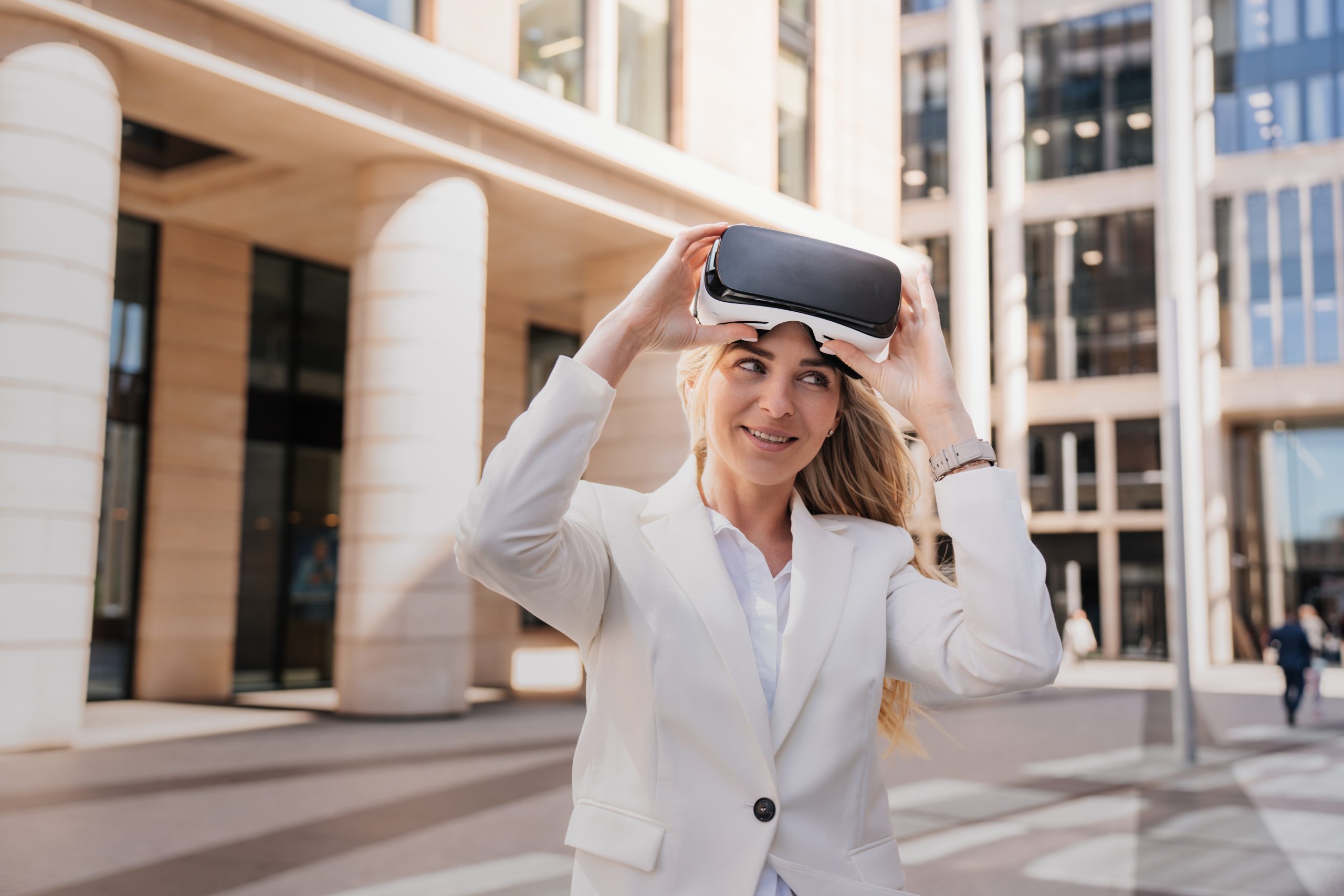
Virtual Reality (VR): VR will take virtual tours to the next level by offering fully immersive, interactive property walkthroughs. Buyers will be able to virtually “step into” properties, getting an even more realistic feel of the space.
Why it matters:
These technologies will continue to enhance the user experience, making it more immersive and engaging, and ultimately improving the speed and accuracy of property decision-making.
5. Conclusion: The Impact of Virtual Tours and 3D Visualization:
Virtual tours and 3D visualization are reshaping the real estate market by improving accessibility, enhancing customer engagement, and saving time and resources for both buyers and sellers. These tools provide a more comprehensive and interactive way for potential buyers to explore properties, increasing the chances of successful sales. As technology advances, we can expect even more innovative solutions to emerge, further enhancing the real estate experience and making it easier for buyers to find their dream homes.