
 By
By Education is undergoing a profound transformation, driven by advancements in technology, new learning methodologies, and a global shift towards more personalized, accessible, and engaging learning experiences. The classroom of tomorrow is no longer confined to traditional brick-and-mortar spaces; it’s becoming an interactive, technology-driven ecosystem designed to empower minds and foster a lifelong love of learning. In 2025, we’re witnessing the rise of innovative trends that are reshaping the way students learn, teachers teach, and institutions operate.
The Evolution of Education in 2025:
In the past, education was primarily defined by the physical classroom, textbooks, and one-size-fits-all teaching methods. Today, education is moving towards a more personalized, student-centered approach, with a strong emphasis on skills development, digital literacy, and interactive learning. The integration of emerging technologies like artificial intelligence (AI), virtual reality (VR), and adaptive learning platforms is playing a crucial role in this transformation.
Key Trends Shaping Modern Education:
Personalized Learning Powered by AI:
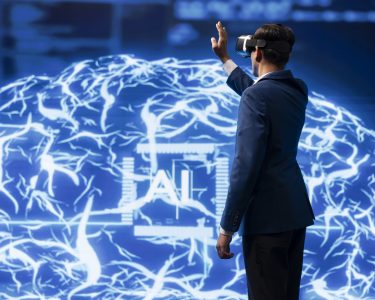
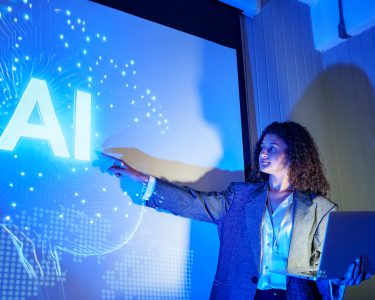
One of the most exciting developments in modern education is the growing use of artificial intelligence (AI) to personalize learning experiences. AI-powered learning platforms, such as DreamBox and Knewton, are adapting in real-time to meet the needs of individual students. These platforms analyze student performance and provide personalized recommendations, resources, and feedback, enabling students to learn at their own pace.
AI also enables teachers to have real-time insights into each student’s strengths, weaknesses, and progress. This allows for more targeted interventions, ensuring that no student is left behind. The result is a more customized, engaging learning experience that can significantly improve outcomes.
What Educators Need to Know:
Embracing AI tools can help educators focus on what truly matters—nurturing critical thinking and creativity—while leaving the repetitive, administrative tasks to technology.Virtual and Augmented Reality (VR & AR) in Education:
Virtual reality (VR) and augmented reality (AR) are transforming the way students interact with educational content. By immersing students in interactive, virtual environments, these technologies make learning more engaging and memorable. For example, VR can be used to simulate historical events, allowing students to “experience” history firsthand, or to take virtual field trips to places that would otherwise be inaccessible.
In fields like medicine, engineering, and science, AR and VR are being used to create realistic simulations for hands-on training, enabling students to practice complex procedures in a risk-free environment. This experiential learning fosters deeper understanding and retention, making education more immersive and practical.
What Educators Need to Know:
VR and AR technologies may require significant upfront investment, but the long-term benefits—engaged students, improved learning outcomes, and practical skills development—are invaluable. Schools should explore partnerships with tech providers and consider integrating immersive learning into their curricula.Gamification and Interactive Learning:
Gamification in education is not a new concept, but it has gained significant traction in recent years. By integrating game-like elements such as points, badges, and leaderboards into the learning process, educators can motivate students and make learning more enjoyable. Platforms like Kahoot! and Classcraft use gamification to create engaging, competitive learning experiences that encourage participation and collaboration.
The key to successful gamification is to balance fun and learning. Games should challenge students, promote problem-solving, and encourage critical thinking, rather than simply being a distraction. When done right, gamification can foster a positive, dynamic classroom environment that enhances student motivation and achievement.
What Educators Need to Know:
To effectively implement gamification, educators must align game mechanics with educational goals. It’s not just about rewarding students for completing tasks, but encouraging deeper learning through interactive, challenging activities.The Growth of Online and Hybrid Learning:
The pandemic accelerated the adoption of online learning, and it is expected to remain a significant part of education moving forward. Online learning platforms, such as Coursera, EdX, and Udemy, provide flexible, accessible education that can be tailored to individual needs. Students can access courses, lectures, and resources from anywhere in the world, allowing for a more democratized approach to education.
In 2025, hybrid learning models are becoming more common, combining in-person instruction with online resources. This blended approach allows for greater flexibility while maintaining the benefits of face-to-face interaction. The shift towards hybrid learning is also contributing to the rise of microcredentials—short, specialized courses that allow learners to gain specific skills without committing to a full degree program.
What Educators Need to Know:
Institutions should embrace the flexibility of online and hybrid learning. By offering both virtual and in-person options, they can accommodate diverse learning preferences and increase access to education for a wider range of students.Data-Driven Insights for Continuous Improvement:
Data is at the heart of modern education. From tracking student progress to measuring the effectiveness of teaching methods, data-driven insights help educators make informed decisions that enhance learning outcomes. Platforms like Google Classroom and Canvas provide real-time analytics on student performance, enabling teachers to identify areas where students may need additional support.
Learning analytics also play a role in curriculum development. By analyzing patterns in student performance, educators can adjust teaching strategies and resources to better align with students’ needs, ultimately leading to more effective teaching practices.
What Educators Need to Know:
Collecting and analyzing data is essential for improving the learning experience. However, educators should be mindful of student privacy and ensure that data is used responsibly and ethically.
Conclusion: The Future of Education is Here:
The future of education is incredibly exciting, with technology and innovative teaching methods leading the way. As AI, VR, gamification, and data analytics continue to evolve, the possibilities for student-centered learning are limitless. To stay competitive and relevant, educational institutions must embrace these changes and provide their students with the tools and resources they need to thrive in the digital age. The goal is to empower minds, foster creativity, and equip students with the skills necessary for the challenges and opportunities of tomorrow.