
 By
By The real estate industry is undergoing a significant transformation as technology continues to reshape how properties are marketed, bought, and sold. One of the most exciting advancements in this space is the use of virtual tours and 3D visualization tools, which are revolutionizing the way potential buyers experience homes, apartments, and commercial spaces. By allowing buyers to explore properties remotely and interact with 3D models of buildings and spaces, these tools are enhancing decision-making and improving the overall real estate experience. In this blog, we’ll explore how virtual tours and 3D visualization are shaping the future of real estate and driving better decision-making for both buyers and sellers.
1. The Rise of Virtual Tours in Real Estate:
Virtual tours have become a game-changer in real estate marketing, especially as more people are embracing remote property searches. Virtual tours allow potential buyers to explore properties from the comfort of their own homes, without the need to physically visit each location. These tours can be created using a combination of panoramic images, 360-degree video, and even interactive floor plans.
a. Accessibility and Convenience:
Virtual tours offer unmatched convenience by providing potential buyers with the ability to view a property at any time, from anywhere. With the click of a button, buyers can explore different areas of a home or commercial space and get a feel for the layout and design. This is particularly helpful for long-distance buyers, international investors, or those who have limited time for property visits.
Why it matters: Virtual tours break down geographical barriers, making it easier for buyers to assess properties without the time and expense of traveling. This increases property accessibility for a global audience.
b. Cost Savings for Sellers:
For real estate agents and sellers, virtual tours reduce the number of in-person showings, helping to save time and resources. Instead of conducting multiple physical tours, a well-designed virtual tour can showcase the property to a larger pool of interested buyers without leaving the office.
Why it matters: By offering virtual tours, sellers can increase the visibility of their properties while reducing the costs associated with traditional property showings.
2. The Power of 3D Visualization in Real Estate:
While virtual tours provide a great way to explore a property remotely, 3D visualization takes the experience to a whole new level by offering immersive, interactive representations of buildings, homes, or development projects. 3D models enable buyers to explore spaces in a detailed and dynamic way, providing insights that photos and traditional floor plans simply cannot convey.
a. Interactive Floor Plans and Customization:
One of the major advantages of 3D visualization is its ability to allow users to interact with floor plans. Tools like Matterport and Cupix allow users to navigate floor plans in 3D, providing them with an immersive view of room layouts, furniture placement, and overall space. Furthermore, some 3D visualization platforms offer customization features, where users can experiment with different design elements, like furniture arrangements or wall colors, to better envision the space according to their preferences.
Why it matters: Interactive 3D models help potential buyers better understand how a space will look and feel, which improves their ability to make decisions and identify whether a property meets their needs.
b. Visualizing Future Developments:
For commercial real estate and new construction projects, 3D visualization is invaluable in helping buyers, investors, and developers see how a building or development will look once completed. By using tools like Enscape or Twinmotion, architects and developers can create photorealistic renderings of properties in their entirety, including landscaping, interior details, and even the surrounding environment.
Why it matters: 3D visualization allows developers to present their projects with clear, vivid imagery, helping them gain investor confidence and streamline the decision-making process. For buyers, it creates a better understanding of what the finished product will look like before committing.
3. Enhancing Decision-Making with Virtual Tours and 3D Visualization:
Virtual tours and 3D visualization tools empower buyers and investors to make more informed decisions. These technologies provide buyers with a realistic and immersive view of properties without the need for multiple in-person visits. In fact, 3D visualization allows buyers to see not only the property but also the surrounding environment and community amenities, which might influence their decision to purchase.
a. Faster, More Informed Decisions:
With virtual tours and 3D models, prospective buyers can quickly narrow down their options based on a property’s features and layout. Instead of visiting multiple homes or commercial spaces in person, they can easily filter out properties that don’t meet their requirements and focus only on the most promising options.
Why it matters: Faster decision-making benefits both buyers and sellers by reducing the time it takes to close deals, which is essential in competitive markets.
b. Reducing Buyer Uncertainty:
For many buyers, the uncertainty of not being able to see every detail of a property in person can be a significant barrier. Virtual tours and 3D visualization reduce this uncertainty by offering a more complete and accurate representation of the property. This can help buyers feel more confident in their decisions, leading to higher satisfaction and fewer last-minute changes in preferences.
Why it matters: Reducing uncertainty improves the buyer experience, helping to build trust in the property and the selling process, which can lead to faster and more successful transactions.
4. The Future of Real Estate Marketing: Virtual Reality and Augmented Reality:
As virtual tours and 3D visualization tools evolve, the future of real estate marketing looks even more promising with the integration of virtual reality (VR) and augmented reality (AR) technologies. These tools will further enhance the way buyers experience properties and make decisions.
a. Virtual Reality (VR) for Fully Immersive Experiences:
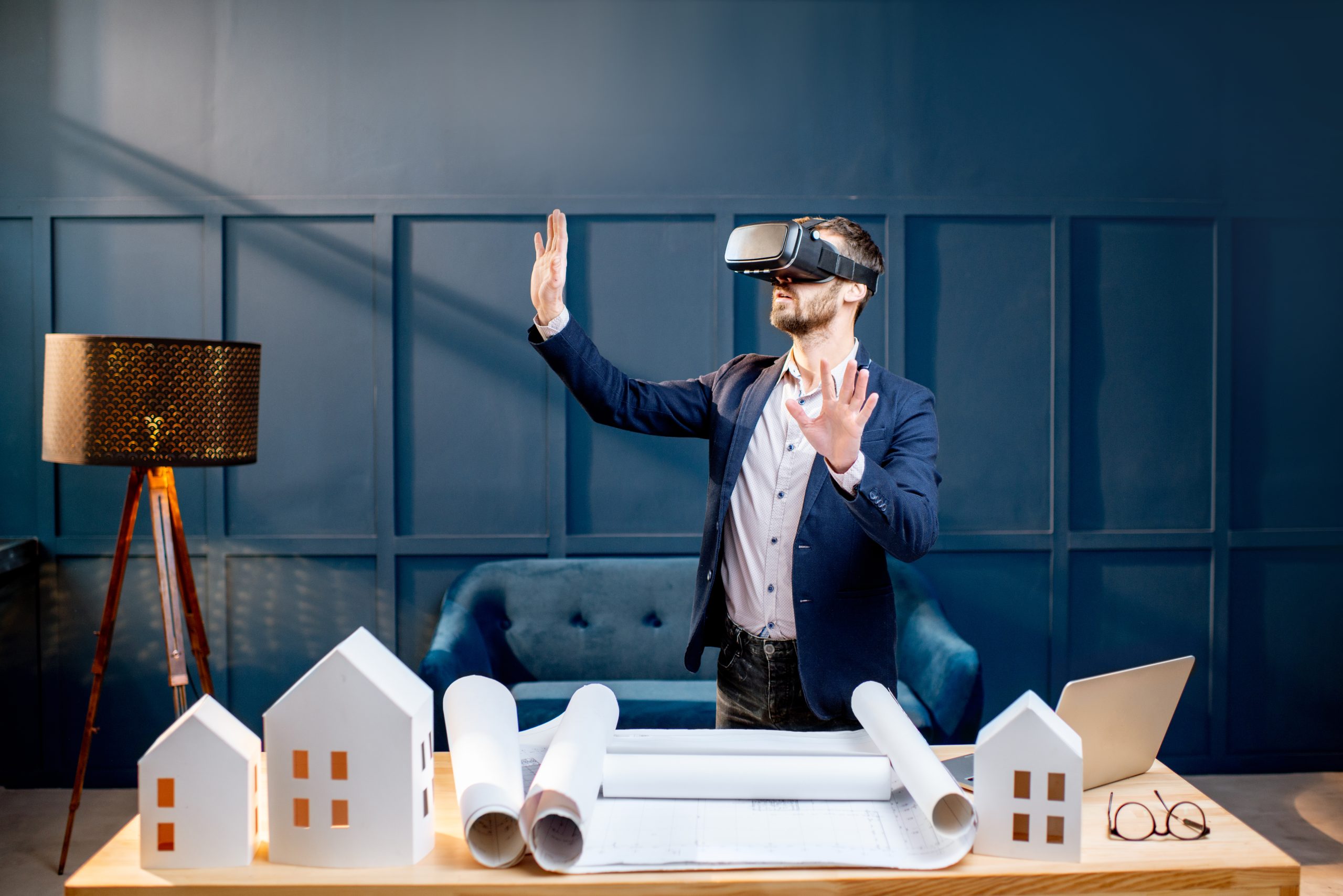
Virtual reality takes 3D visualization a step further by providing fully immersive experiences where buyers can “step inside” a property and explore every inch as if they were physically there. VR will be particularly useful for international buyers or clients who cannot physically visit the property due to distance or time constraints.
b. Augmented Reality (AR) for On-Site Experiences:
Augmented reality overlays digital information onto the physical world, allowing potential buyers to visualize how a space can be modified in real-time. For example, an AR app could show how a room might look with different furniture or paint colors, helping buyers visualize possibilities in a way that photos or static 3D models cannot.
Why it matters: These immersive technologies will allow buyers to engage with real estate listings in ways that were previously impossible, making the decision-making process more intuitive and interactive.
5. Conclusion: A New Era in Real Estate Decision-Making:
Virtual tours and 3D visualization are not just marketing tools—they are transforming how buyers make decisions. By offering more detailed, personalized, and immersive property experiences, these technologies enable faster decision-making, reduce uncertainty, and improve overall satisfaction for both buyers and sellers. As the real estate market becomes more competitive, embracing these innovations will be essential for staying ahead of the curve. The future of real estate marketing is bright, and virtual tours and 3D visualization are leading the way.