
 By
By Medical screening has always been the frontline of preventive healthcare. But in recent years, the integration of data science, artificial intelligence, and advanced imaging has completely reshaped how diseases are detected and managed. The journey from raw data to accurate diagnosis is becoming faster, smarter, and more precise.
The Shift Toward Predictive Medicine:
Traditionally, screening focused on identifying diseases already in progress. Now, the goal is prediction — detecting risk before symptoms appear. By analyzing patient histories, genetics, and lifestyle data, modern screening tools can forecast diseases such as diabetes, cancer, or heart disease years before they manifest.
AI and Big Data in Diagnostics:
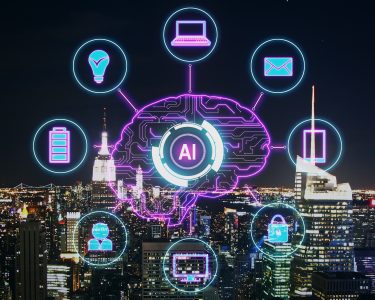
AI thrives on data. Machine learning algorithms can analyze thousands of medical images, lab results, and genomic sequences far more quickly than humans. Systems like Google DeepMind’s AI for retinal scans or IBM Watson for oncology help doctors interpret complex data patterns, spotting early signs of disease invisible to the human eye.
These models continuously learn from millions of cases, improving accuracy over time. This data-driven approach not only speeds up diagnosis but also reduces errors and enhances consistency.
Wearable Devices and Continuous Monitoring:
Wearable technology is a game-changer. Smartwatches and biosensors now track heart rate, oxygen levels, sleep quality, and even blood glucose in real time. Platforms like Apple Health and Fitbit Health Metrics are integrating with clinical systems, giving doctors access to ongoing, personalized patient data.
This continuous flow of information turns healthcare from reactive to proactive — allowing interventions before complications arise.
Advanced Imaging and Precision Screening:
Modern imaging techniques such as low-dose CT scans, liquid biopsies, and AI-enhanced mammography have revolutionized detection accuracy. Radiology software now uses deep learning to identify tiny abnormalities that might otherwise be missed.
For instance, in lung cancer detection, AI models can scan thousands of CT images in minutes, flagging potential nodules for radiologist review — cutting diagnosis time dramatically.
Genomic and Molecular Screening:
Genetic testing has moved from specialized labs to mainstream clinics. Whole-genome sequencing can now identify hereditary conditions, drug sensitivities, and disease predispositions. This enables truly personalized treatment — tailoring medical care to an individual’s DNA.
Startups in this field are also exploring liquid biopsy — a non-invasive test that detects cancer DNA fragments in the bloodstream, allowing early diagnosis without surgery.
Telemedicine Integration:
Digital screening is extending reach. Through telemedicine, patients can share reports, imaging scans, and lab results remotely. AI tools pre-analyze this data, providing clinicians with decision support. This combination enhances access to diagnostics, especially in underserved regions.
Ethics, Data Privacy, and Accessibility:
While innovation brings promise, it also raises ethical questions. Who owns health data? How can biases in algorithms be prevented? Ensuring that screening technology benefits all populations — not just the privileged — is crucial to equitable healthcare.
Conclusion:
Modern screening is no longer just about early detection; it’s about data-driven prevention. As technology continues to evolve, healthcare will become more predictive, personalized, and precise — improving outcomes for millions around the world.