 By
By The worlds of healthcare and biotechnology have never been more intertwined than they are today. What was once confined to research labs and scientific journals is now transforming patient care, disease prevention, and public health on a global scale. From genetic engineering and regenerative medicine to bioinformatics and precision therapies, biotechnology is revolutionizing healthcare delivery and redefining what’s possible in medicine.
The Growing Convergence of Biotech and Healthcare:
Healthcare has always relied on innovation—from antibiotics to vaccines and imaging technologies—but the integration of biotechnology marks a new era of scientific advancement. Biotechnology applies biological systems, organisms, or processes to develop products and technologies that improve human health. In the 21st century, it’s becoming the foundation of modern medicine.
This convergence is giving rise to life-changing breakthroughs: therapies that target diseases at the molecular level, diagnostic tools that detect illness before symptoms appear, and personalized treatments tailored to an individual’s genetic profile. The result is a healthcare system that’s more predictive, preventive, and precise.
Genetic Engineering and CRISPR: Rewriting the Code of Life:
Few technologies have captured the world’s imagination like CRISPR-Cas9, the revolutionary gene-editing tool. CRISPR allows scientists to precisely edit DNA sequences, offering potential cures for genetic diseases like sickle cell anemia, muscular dystrophy, and certain cancers. In 2025, CRISPR is advancing from lab experiments to clinical trials, giving patients new hope for conditions once considered untreatable.
Why it matters:
Gene editing could eliminate inherited diseases, reduce the global burden of chronic illness, and enable scientists to design new treatments that correct mutations before they cause harm. Ethical concerns remain—such as the potential misuse of human genetic modification—but responsible innovation is paving the way for a future where genetic disorders are preventable rather than permanent.
Regenerative Medicine: Healing with Cells:
Regenerative medicine, another cornerstone of biotech innovation, focuses on repairing or replacing damaged tissues and organs. Techniques like stem cell therapy and 3D bioprinting are redefining how we treat injuries and degenerative diseases.
For instance, scientists are now able to grow functional tissues—like skin, cartilage, and even parts of the heart—in laboratory settings. These bioengineered tissues can be used for transplantation or to test new drugs in controlled environments, reducing the need for animal testing.
Why it matters:
Regenerative medicine holds immense potential for patients suffering from spinal cord injuries, diabetes, heart disease, and neurodegenerative conditions like Parkinson’s. It’s no longer just about managing symptoms—it’s about restoring function and quality of life.
Biotech in Diagnostics and Drug Discovery:
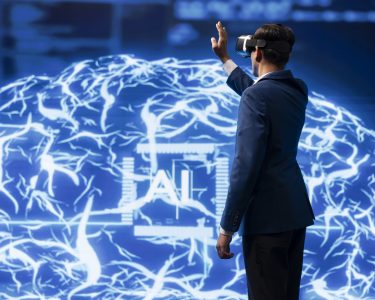
Early detection is the key to effective treatment, and biotechnology is helping doctors diagnose diseases earlier and more accurately. AI-powered biotech tools can analyze genetic and molecular data to detect cancer, infectious diseases, and other conditions at their earliest stages.
Meanwhile, drug discovery has been transformed by bioinformatics—the use of data analysis and computational models to accelerate the search for new treatments. Machine learning algorithms can now screen millions of compounds in silico, drastically cutting down the time and cost of developing new drugs.
Why it matters:
The integration of biotech and AI in diagnostics enables a shift from reactive to proactive healthcare. Instead of treating disease after it occurs, physicians can use data to predict risks and prevent illness altogether.
Personalized and Precision Medicine:
One of the most profound outcomes of the biotech revolution is personalized medicine—an approach that tailors treatment to each individual’s unique biology. By analyzing genetic data, doctors can determine which therapies will be most effective for a specific patient.
For example, in oncology, genetic testing can identify mutations driving tumor growth, allowing physicians to prescribe targeted drugs that attack cancer cells without harming healthy tissue. This precision reduces side effects, improves recovery times, and increases survival rates.
Ethical and Regulatory Challenges:
While biotechnology offers immense promise, it also raises complex ethical and regulatory challenges. Issues such as gene editing, data privacy, and access to advanced therapies must be carefully managed. Governments and healthcare organizations are working to ensure that biotech innovations are both safe and equitable, avoiding a future where only the wealthy can benefit from cutting-edge medical technologies.
Conclusion: From Lab to Life:
The intersection of healthcare and biotechnology is ushering in a new era of medicine—one defined by innovation, precision, and hope. What begins in the lab is now reaching patients faster than ever, turning scientific discovery into life-saving reality. As biotech continues to evolve, it will not only extend human life but also enhance its quality—ushering in a world where disease prevention, personalized care, and regenerative healing are the norm.