
 By
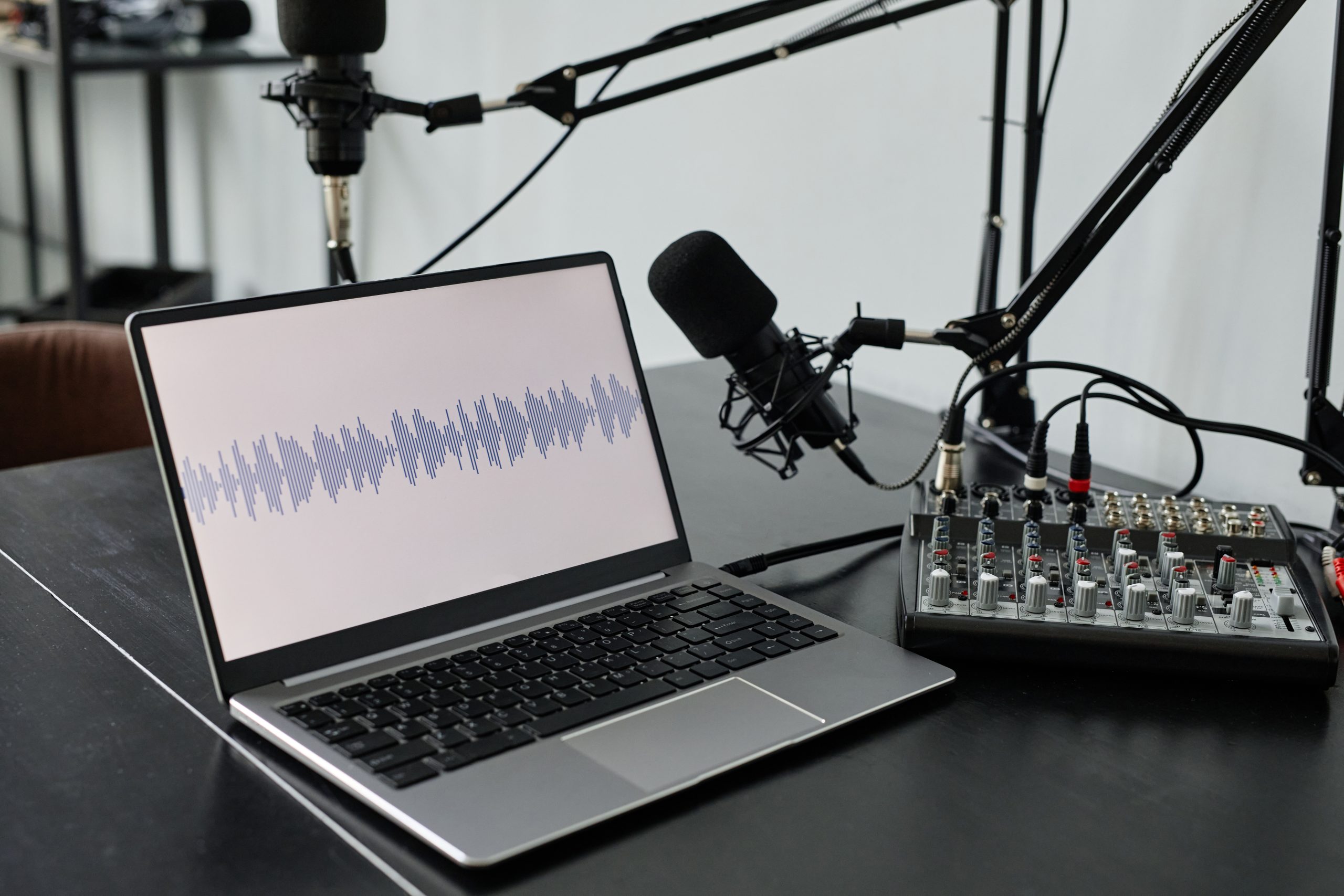
By Podcasting has become one of the most powerful mediums for storytelling, information sharing, and entertainment. However, creating high-quality podcasts involves more than just recording audio—it requires editing, transcribing, and optimizing the content for different platforms. In 2025, AI is playing a pivotal role in transforming how podcasts are created, transcribed, and repurposed, making the process faster, more efficient, and accessible to a wider audience.
The Challenges of Podcast Production:
Podcast production traditionally involves several time-consuming steps: recording the audio, editing for quality, transcribing the content for accessibility, and creating additional content like show notes and promotional materials. For podcasters, this can be overwhelming, especially when dealing with long episodes or numerous guests.
AI-Powered Tools for Podcasting:
Descript:
Descript has become one of the most popular AI tools for podcasters. The software allows users to edit audio by simply editing the transcription text. Descript’s AI-powered transcription service is highly accurate, and the ability to manipulate the audio directly from the text makes editing incredibly intuitive. Additionally, the Overdub feature allows users to “correct” their voice by generating new audio in their own voice, a game-changer for busy podcasters who need to make quick edits.Otter.ai:
Otter.ai is an AI transcription tool that’s widely used by podcasters for its accuracy and efficiency. Otter.ai automatically transcribes audio into text, making it easy to generate show notes, subtitles, and even blog posts from podcast episodes. It also offers features like speaker identification, real-time transcription, and collaboration options for teams working on podcast editing.Trint:
Trint uses AI to transcribe audio and video content quickly and accurately. It’s a favorite tool for podcasters looking to turn their content into searchable text for easier discovery. Trint also includes an editing feature where podcasters can clean up transcriptions, making it a comprehensive solution for those who want to repurpose their podcast content into written material.Sonix:
Sonix is another AI-powered transcription tool that is highly regarded for its accuracy and multilingual support. Podcasters can use Sonix to transcribe interviews, guest appearances, and entire episodes quickly. Sonix also offers powerful features such as custom vocabulary lists, audio search, and integration with platforms like Zoom, making it an ideal choice for remote podcasters.
AI for Sound Editing and Enhancement:
Once the podcast is recorded and transcribed, AI tools help enhance the audio for a more professional and polished final product.
Auphonic:
Auphonic is an AI-based audio post-production tool that ensures podcasts sound as good as they can. It automatically reduces background noise, normalizes volume levels, and improves the clarity of speech. This tool is perfect for podcasters who may not have access to professional sound equipment or audio engineers.iZotope RX:
iZotope RX is an AI-powered audio editor that helps podcasters fix common audio issues such as clipping, hums, background noise, and other distortions. With its AI algorithms, iZotope RX analyzes audio tracks and suggests improvements, making it an essential tool for creating high-quality sound for your podcast.
AI for Repurposing Podcast Content:
Podcasters are increasingly using AI to repurpose their audio content into written materials like blog posts, social media posts, and even books.
Rev:
Rev provides both AI-powered transcription and translation services, making it easier for podcasters to repurpose content into written formats. The transcriptions can then be edited, summarized, and used to create show notes, SEO-friendly content, or even full-length articles.Descript’s AI-Powered Video Tools:
Descript also offers video editing tools that allow podcasters to create video content from their audio. The AI extracts highlights, generates captions, and allows users to create short clips for social media, making it a valuable tool for expanding the podcast’s reach.
The Future of AI in Podcasting and Transcription:
As AI continues to evolve, the potential for innovation in podcasting is limitless. In the near future, AI may even be able to automate content creation, offer real-time translations, and provide further enhancement in transcription accuracy and speed.
Conclusion:
AI is revolutionizing the way podcasters create, edit, and transcribe their content. Tools like Descript, Otter.ai, and Sonix are streamlining the production process, making it easier for creators to focus on content without getting bogged down in tedious tasks. By leveraging AI, podcasters can reach wider audiences, improve accessibility, and repurpose content more efficiently than ever before.