 By
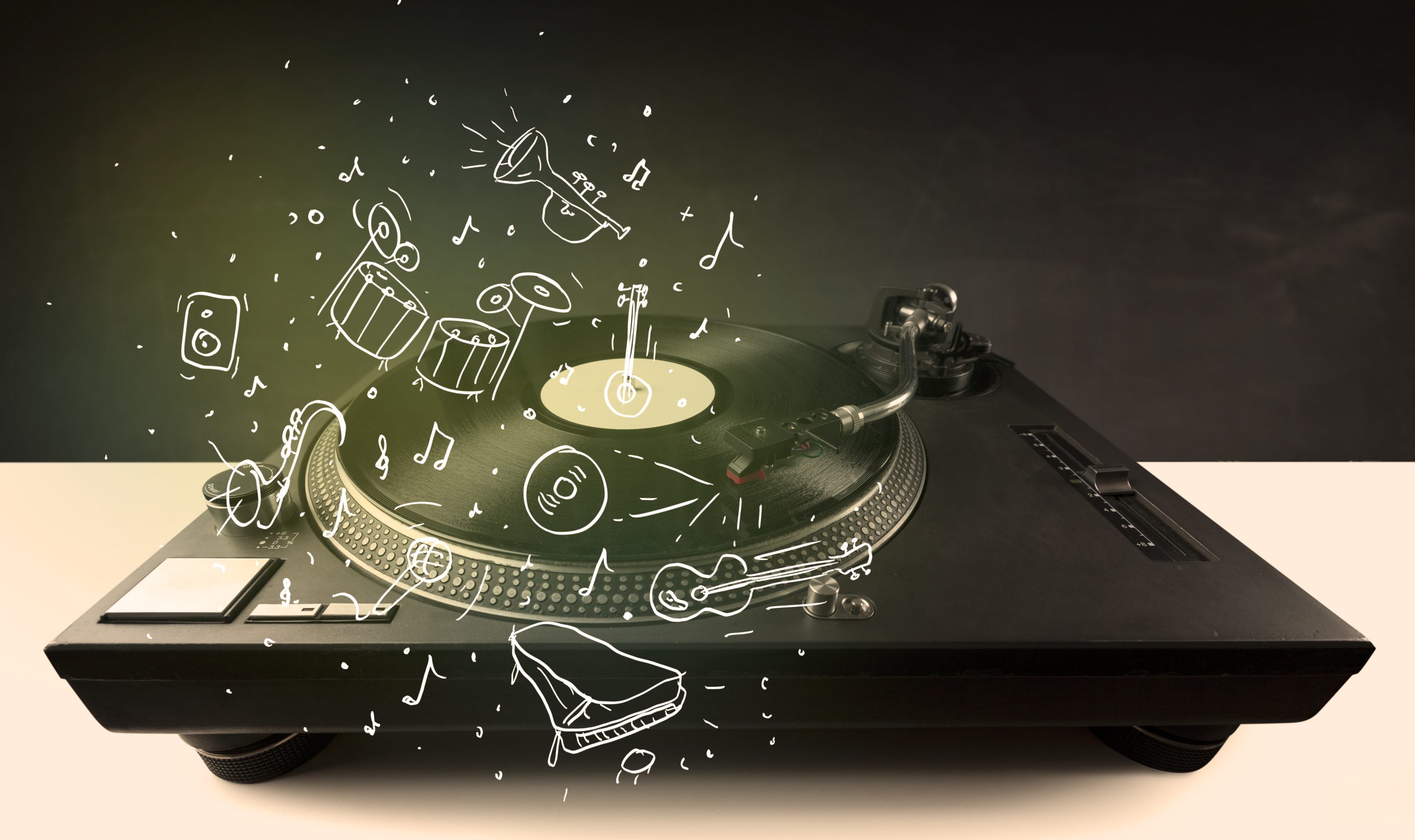
By The music industry has undergone significant changes in recent years, driven by technological advancements, changing consumer preferences, and the rise of new platforms and tools. As we look toward the future, several trends are shaping the way music is created, distributed, and consumed. From AI-powered music production to the growing importance of streaming platforms, this blog post explores the trends that are redefining the future of music and audio.
2.1. AI in Music Production: A New Era of Creativity:
Artificial intelligence is revolutionizing the music production process, enabling artists and producers to create music in ways that were previously unimaginable. AI tools are helping musicians with everything from composing original tracks to mastering their sound.
AI-Generated Music: Tools like Aiva and Amper Music allow users to create original compositions based on input parameters such as mood, genre, and tempo. These AI-generated compositions can be used in commercials, films, or personal projects, offering musicians a new way to explore sound.
Music Recommendation and Personalization: AI is also shaping the way music is consumed, with streaming platforms like Spotify and Apple Music using machine learning algorithms to recommend personalized playlists and songs based on user preferences. This level of personalization enhances the listening experience and helps artists reach new audiences.
Sound Enhancement: AI-driven tools are improving audio quality and sound engineering by providing automated mastering, noise reduction, and sound equalization, which helps musicians create polished tracks more efficiently.
Impact: AI is democratizing music production, allowing anyone—from aspiring musicians to seasoned professionals—to create high-quality music with ease.
2.2. Streaming Dominance: The Future of Music Consumption:
The dominance of streaming services has completely transformed how we consume music. Platforms like Spotify, Apple Music, and YouTube Music now account for the majority of music listening worldwide, and this trend is expected to continue in the coming years.
Subscription Models: The subscription-based model, where users pay for access to a vast catalog of music, has become the standard for music consumption. This model provides steady revenue for artists and record labels while offering consumers access to an unlimited library of music.
Podcasts and Non-Music Audio: In addition to music, streaming platforms are also investing heavily in podcasts, audiobooks, and other forms of non-music audio content. The expansion of audio content has further solidified the role of streaming services as the go-to destination for all things audio-related.
Global Reach: Streaming platforms have made music accessible to a global audience, helping artists reach listeners from all over the world and breaking down geographical barriers. This has led to the rise of global music genres and cross-cultural collaborations.
Impact: Streaming is reshaping the music industry, offering both challenges and opportunities for artists, labels, and consumers alike. As streaming platforms continue to evolve, they will remain at the center of the music ecosystem.
2.3. The Rise of Independent Artists: Empowering Creators:
The rise of digital platforms has empowered independent artists to take control of their careers. Thanks to platforms like Bandcamp, SoundCloud, and Twitch, musicians can now release and promote their music without the need for a major record label.
Direct-to-Fan Platforms: Independent musicians are using platforms to engage with their audiences directly, selling music, merchandise, and tickets. These platforms provide a space for artists to retain control over their work and revenue streams.
Crowdfunding and Patronage: Many artists are using crowdfunding platforms like Patreon to build a fanbase that supports their music financially. This model allows creators to earn a sustainable income without relying on traditional revenue models.
Impact: The rise of independent artists is challenging the traditional music industry structure, enabling musicians to build careers on their own terms.
2.4. Virtual Concerts and Immersive Experiences:
The COVID-19 pandemic accelerated the trend of virtual concerts and live-streamed performances, and this trend is continuing to grow as technology improves.
Virtual Concerts: Platforms like Twitch and YouTube have become major venues for live music performances, with artists reaching fans from all corners of the globe. Virtual reality (VR) and augmented reality (AR) are also being integrated into live performances, creating immersive concert experiences that go beyond traditional shows.
Metaverse Music Events: The emergence of the metaverse is creating new opportunities for virtual concerts and events. Companies like Fortnite and Roblox have hosted in-game concerts with major artists, allowing fans to attend performances in a fully interactive virtual environment.
Impact: Virtual concerts and immersive experiences are redefining live music, offering fans new ways to engage with their favorite artists while creating new revenue streams for musicians.
2.5. The Future of Music and Audio:
As we look to the future, the music industry will continue to evolve alongside technological advancements. Trends to watch include:
AI-Assisted Music Creation: AI will continue to play a pivotal role in music production, helping artists experiment with new sounds and streamline their creative processes.
Enhanced Personalization: Streaming platforms will offer even more personalized listening experiences, with AI-driven recommendations becoming increasingly sophisticated.
Sustainability: As the music industry grows, so does its environmental footprint. Sustainability initiatives, such as eco-friendly touring practices and reducing the carbon footprint of streaming services, will become more important.
Impact: The future of music and audio promises to be even more dynamic, inclusive, and immersive, as technology continues to drive new possibilities for creators and consumers alike.
Conclusion:
The future of music and audio is being shaped by exciting technological advancements that are changing how music is created, consumed, and experienced. From AI-driven music production and streaming services to the rise of independent artists and virtual concerts, the music industry is undergoing a transformation that is empowering creators and enriching the listening experience. As we move forward, the intersection of technology, creativity, and fan engagement will continue to define the future of music and audio.