 By
By The marketing world is evolving faster than ever, driven by technology, data, and changing consumer behavior. As we enter a new era of personalization and automation, brands must rethink how they engage audiences. The future of marketing lies in innovation—where creativity meets analytics and automation enhances human connection. In this blog, we explore the key techniques shaping modern marketing and how to capture and convert audiences effectively in 2025 and beyond.
2.1. The Shift Toward Data-Driven Personalization:
In the digital age, personalization isn’t optional—it’s expected. Consumers want brands to understand their needs and preferences, offering tailored content and experiences.
Behavioral Data: Analyze browsing history, social interactions, and purchase patterns to deliver relevant offers.
Dynamic Content: Use AI tools to adjust website content, email campaigns, or ads based on user behavior in real time.
Predictive Analytics: Anticipate customer needs using AI algorithms that forecast behavior and recommend products.
Example: Netflix and Amazon dominate personalization by using AI to recommend content and products based on individual viewing or shopping history.
Impact: Personalization boosts engagement, retention, and conversions, creating stronger customer loyalty.
2.2. Interactive and Immersive Experiences:
Modern audiences crave interactivity and engagement. Static advertising no longer cuts through the noise; immersive content captures attention and creates emotional connections.
Augmented Reality (AR) and Virtual Reality (VR): Brands use AR filters, virtual showrooms, and VR storytelling to create experiential marketing campaigns.
Gamification: Incorporate game-like elements—badges, points, challenges—to make campaigns fun and rewarding.
Interactive Video: Allow users to click, vote, or explore within videos, creating personalized and memorable experiences.
Impact: Interactive marketing deepens brand engagement, turning passive viewers into active participants.
2.3. AI and Automation in Marketing:
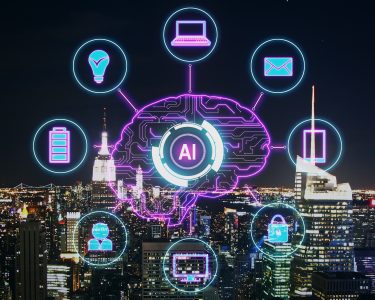
Automation is redefining how marketers plan, execute, and measure campaigns. AI-powered tools streamline processes, personalize communication, and optimize performance.
Chatbots and Virtual Assistants: Provide real-time customer support and personalized recommendations.
Automated Campaign Management: Platforms like HubSpot and Marketo manage email workflows, lead nurturing, and A/B testing automatically.
AI-Powered Insights: Predict trends, optimize ad spending, and refine targeting using machine learning analytics.
Impact: Automation saves time, reduces costs, and ensures marketing campaigns are smarter, faster, and more impactful.
2.4. Content Marketing Evolution:
Content remains the cornerstone of marketing, but its form and function are evolving. Future content strategies focus on value, authenticity, and multimedia engagement.
Short-Form Video: Platforms like TikTok, Instagram Reels, and YouTube Shorts dominate attention spans.
Long-Form Thought Leadership: Blogs, whitepapers, and podcasts help brands establish authority.
User-Generated Content (UGC): Encourage customers to share experiences, testimonials, and stories—building community-driven authenticity.
Impact: The content of the future isn’t just informative—it’s emotional, interactive, and deeply connected to audience values.
2.5. Ethical and Sustainable Marketing:
Consumers are becoming increasingly conscious of environmental and ethical issues. Brands that align with social and environmental values will earn greater trust.
Transparency: Clearly communicate sourcing, sustainability efforts, and data usage.
Cause-Driven Campaigns: Partner with nonprofits or promote sustainability initiatives that resonate with your audience.
Ethical Data Practices: Respect user privacy and use data responsibly, complying with global regulations like GDPR.
Impact: Ethical marketing enhances brand reputation, loyalty, and long-term growth.
2.6. Future Trends to Watch:
Voice Search and Conversational Marketing: As voice assistants grow, optimizing for conversational queries will become vital.
AI-Generated Creative Content: AI tools like ChatGPT and Midjourney will power ad copy, visuals, and campaign ideation.
Hyper-Personalized Video Ads: Video will continue to evolve as the most powerful conversion tool.
Conclusion:
The future of marketing is a fusion of creativity, technology, and empathy. By leveraging AI, interactivity, and ethical storytelling, brands can create meaningful connections that convert audiences into lifelong advocates. The marketers who embrace innovation while staying authentic will define the next decade of success.