
 By
By The traditional education system has long struggled with a one-size-fits-all approach, where every student is expected to learn at the same pace, in the same way. However, this model doesn’t take into account the diverse learning styles, abilities, and needs of individual students. Adaptive learning platforms are changing the landscape of education by providing personalized learning experiences that cater to each student’s unique needs. These platforms use technology and data analytics to adjust the learning path in real-time, enhancing student outcomes and fostering a more inclusive, student-centered environment.
In this blog, we’ll explore why adaptive learning platforms are the future of education, how they benefit students, and how they are reshaping the classroom experience.
1. What is Adaptive Learning?
Adaptive learning is an educational approach that leverages technology to adjust the content, pace, and difficulty of lessons based on a student’s performance and understanding of the material. Instead of following a predetermined, fixed curriculum, adaptive learning platforms continuously analyze a student’s progress and tailor the learning experience to suit their specific needs.
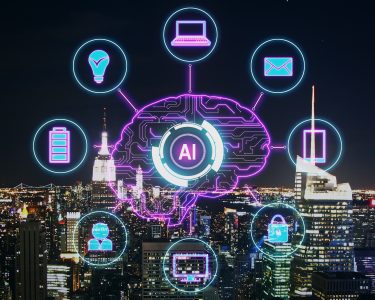
These platforms utilize a variety of technologies, such as artificial intelligence (AI), machine learning (ML), and data analytics, to monitor student performance, assess comprehension, and deliver content accordingly. As the student interacts with the platform, the system adapts the material in real-time, providing the necessary support or challenge based on their current level of understanding.
2. The Benefits of Adaptive Learning for Students:
a. Personalized Learning Experience:
One of the most significant benefits of adaptive learning platforms is their ability to offer a personalized learning experience. Each student is different, with unique strengths, weaknesses, and learning styles. Traditional teaching methods often fail to accommodate this diversity, but adaptive learning platforms provide tailored instruction that meets the needs of every individual.
For example, if a student struggles with a particular concept, the platform will provide additional resources or exercises to reinforce that topic. If the student excels, the platform will adjust the difficulty level and present more challenging material. This ensures that no student is left behind, while also allowing advanced learners to continue progressing at their own pace.
Why it matters: Personalized learning not only improves engagement but also enhances retention and understanding. Students are more likely to stay motivated and succeed when they receive instruction that matches their learning pace and style.
b. Real-Time Feedback:
Another key advantage of adaptive learning platforms is the real-time feedback they provide. As students complete assignments, tests, or exercises, the platform immediately analyzes their responses and gives feedback. This instant feedback helps students identify areas where they need improvement and make adjustments before they move on to more advanced topics.
Real-time feedback also allows students to feel more confident in their learning process. They don’t have to wait for a teacher to grade an assignment or provide comments—they can instantly see how well they’re doing and take action to improve.
Why it matters: Immediate feedback is essential for promoting mastery learning. It helps students correct mistakes and deepen their understanding before moving on to new material, which leads to better long-term retention.
c. Improved Student Engagement and Motivation:
Adaptive learning platforms keep students engaged by providing an interactive and dynamic learning experience. Unlike traditional textbooks or lectures, these platforms offer a highly interactive interface that includes quizzes, games, videos, and other multimedia content. The personalized nature of the platform makes the learning experience more relevant and engaging for each student, which helps increase motivation and participation.
Additionally, many adaptive learning platforms incorporate gamification elements, such as badges, rewards, and progress tracking. These features make learning feel like a more enjoyable and rewarding experience, encouraging students to keep progressing.
Why it matters: Engagement is key to successful learning. When students are actively involved in their education, they are more likely to retain information and stay motivated to learn.
3. The Role of Data in Adaptive Learning:
At the core of adaptive learning platforms is data. These platforms collect data on every interaction students have with the system, from quiz results and homework submissions to how much time is spent on specific topics. This data is then analyzed to identify patterns in student performance and behavior, which helps inform the system’s adjustments to the learning path.
a. Continuous Progress Monitoring:
Adaptive learning platforms provide teachers and administrators with real-time insights into student progress. Educators can use this data to identify students who are struggling and provide targeted support or interventions. It also allows teachers to adjust their instruction based on the collective needs of the class.
b. Predictive Analytics:
Some adaptive learning platforms use predictive analytics to anticipate future learning challenges for individual students. This enables educators to proactively address potential issues before they become significant roadblocks in the learning process.
Why it matters: Data-driven insights empower educators to provide better support and make more informed decisions about how to structure lessons, helping students succeed and reach their full potential.
4. The Future of Adaptive Learning Platforms:
As technology continues to advance, the capabilities of adaptive learning platforms will only improve. The future of adaptive learning will likely include more sophisticated AI and machine learning models that can predict learning behaviors, automate the adjustment of learning content, and further personalize the student experience. Some of the potential advancements include:
Voice Recognition and AI Tutors: As voice recognition technology improves, platforms may incorporate AI-powered tutors that can engage in conversation with students, answering questions and providing explanations in real time.
Integration with Augmented Reality (AR) and Virtual Reality (VR): The use of AR and VR could make adaptive learning even more immersive and interactive, allowing students to engage in hands-on learning experiences.
Expanded Accessibility: Adaptive learning platforms will become even more accessible to students with disabilities. AI could be used to adjust content to meet the needs of students with visual, auditory, or learning impairments, ensuring that all learners have equal access to education.
Why it matters: The future of adaptive learning holds immense potential to revolutionize education further, making learning more personalized, engaging, and accessible to all students.
5. Conclusion: The Future of Education is Adaptive:
Adaptive learning platforms represent a major leap forward in education. By providing personalized learning experiences, real-time feedback, and data-driven insights, these platforms empower students to take charge of their learning journey. As these platforms evolve, they will continue to enhance student outcomes, foster engagement, and promote lifelong learning. Adaptive learning is not just the future of education—it’s the future of student-centered learning that can help all students succeed, regardless of their learning style or pace.